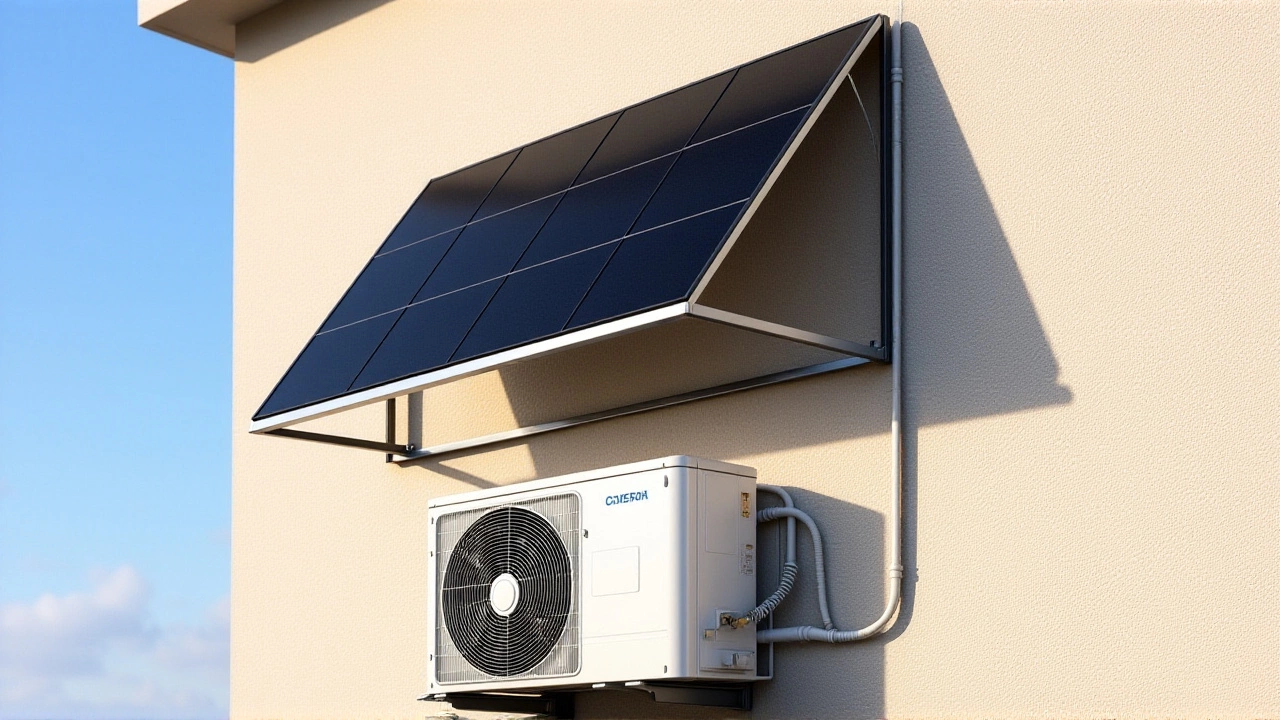
It sounds like science fiction, but it’s happening in the desert. China has commissioned a 100-megawatt solar facility that doesn’t just work during the day—it keeps generating electricity well after sunset. Located in the arid landscape of Dunhuang, this plant solves the biggest headache of renewable energy: what happens when the sun goes down?
Here’s the thing. Traditional solar panels are useless at night. They need direct sunlight to create an electric current. But this new project uses a completely different approach. Instead of photovoltaic cells, it relies on thousands of mirrors and a heat-storage system involving molten salt. The result? Your AC, fans, and electronics can run on solar power even at midnight.
The Science Behind the "Night Sun"
To understand why this matters, you have to look past the shiny headlines. Most people think of solar as those blue tiles on rooftops. This is different. It’s called Concentrated Solar Power (CSP).
Instead of capturing light directly, the plant uses thousands of flat mirrors known as heliostats. These aren’t static; they track the sun across the sky all day long, reflecting intense beams of light onto a central receiver tower. That focused heat gets incredibly hot—hot enough to melt salt.
This is where the magic happens. The superheated molten salt acts like a giant thermal battery. During the day, it absorbs and stores that immense heat. When the sun sets, the stored heat isn’t lost. It’s used to boil water, create steam, and spin turbines just like a traditional coal or gas plant would. Essentially, the plant is burning stored sunlight.
Why Dunhuang?
You might wonder why build such a complex system in a remote desert city. Turns out, location is everything for CSP technology.
Dunhuang, situated in northwestern China’s Gansu Province, sits in one of the sunniest regions on Earth. It receives high levels of direct normal irradiance year-round. In simpler terms, the sun hits hard and stays consistent there. Plus, the vast, flat desert land provides plenty of space for the massive field of mirrors required to make a 100MW plant viable.
The details on exact construction costs or specific developer names remain somewhat unclear in initial reports, but the strategic choice of location is clear. You need reliable, intense sunlight to make the molten salt storage efficient. Cloudy days kill the efficiency of this model, which is why you won’t see these plants popping up in Seattle anytime soon.
Impact on Home Energy Use
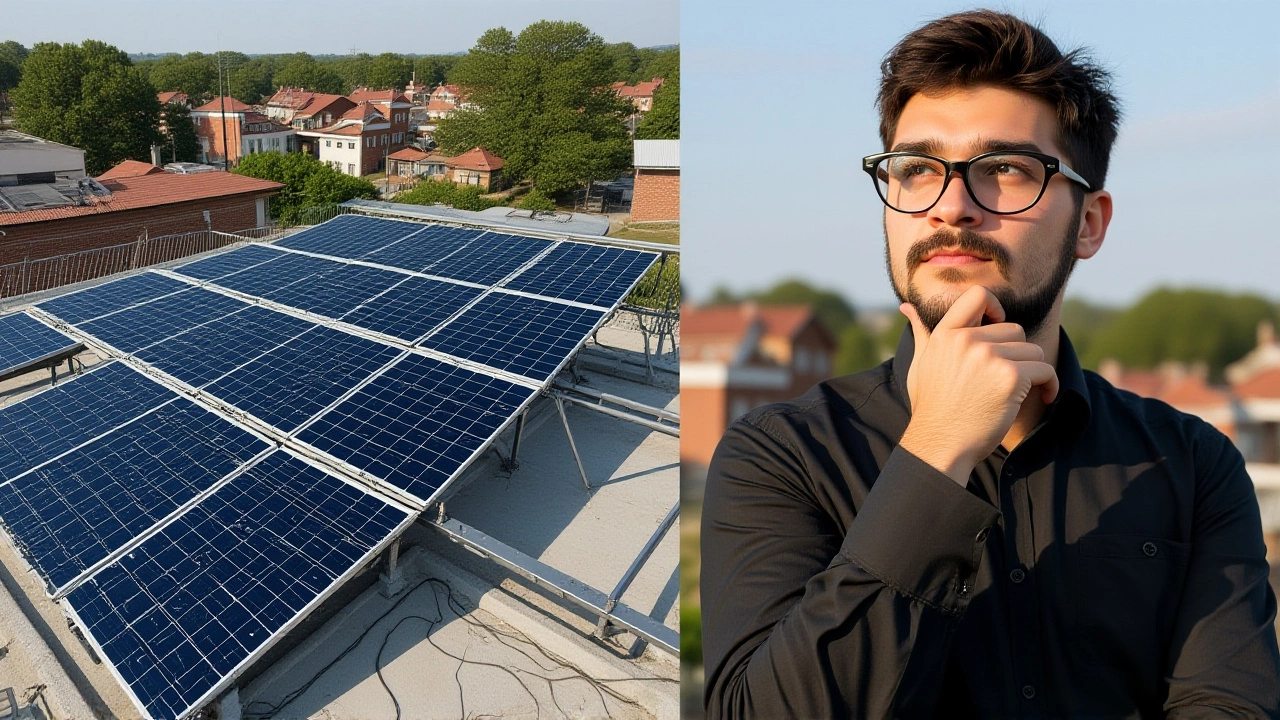
So, how does a desert plant affect your living room? The immediate answer is grid stability. Reports from outlets like Aaj Tak and Pratah Khabar highlight that the electricity generated here feeds into the broader network, allowing homes to run air conditioners, fans, and other electronics using solar-derived power at night.
But wait, there’s a nuance. This isn’t about plugging your house directly into a mirror in China. It’s about changing the mix of energy available on the grid. Currently, when demand spikes in the evening (when everyone gets home and turns on lights and ACs), grids often rely on fossil fuels because solar drops off. This plant flips that script. It delivers peak solar energy precisely when the sun is absent.
For consumers, this means cleaner energy availability around the clock. It reduces the need for "peaker" plants—those inefficient, polluting facilities fired up only during high-demand hours.
Challenges and Limitations
Don’t get too excited yet. While impressive, this technology isn’t a silver bullet for every region.
The twist is cost and complexity. CSP plants are significantly more expensive to build than standard photovoltaic farms. They require precise engineering, large land areas, and significant water usage for cooling systems (though some newer designs use dry cooling). Furthermore, they simply don’t work well in diffuse light conditions. If it’s cloudy, the mirrors can’t focus the beam effectively.
Experts note that while PV solar prices have plummeted over the last decade, CSP has struggled to compete on price alone. Its value lies entirely in its storage capability. Without the ability to store energy, CSP loses its main advantage over cheaper battery-backed solar setups.
What’s Next for Global Energy?
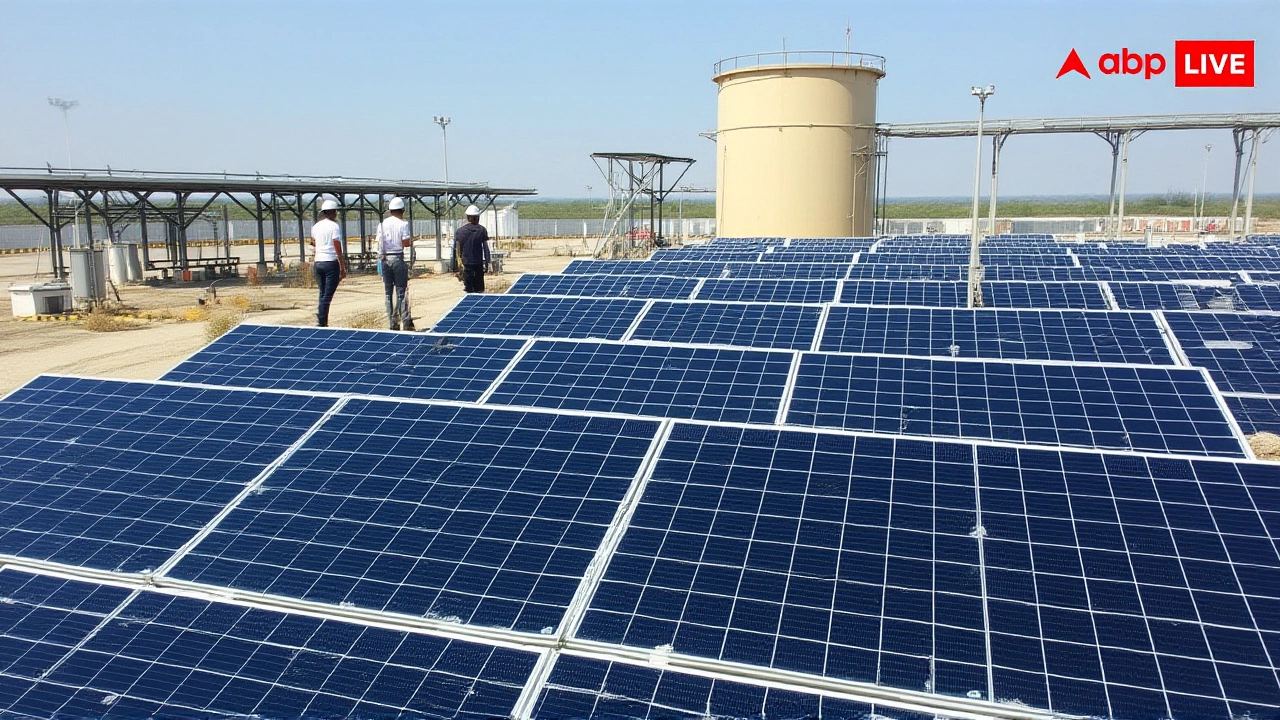
This project in Dunhuang serves as a proof-of-concept for scaling thermal storage. As countries push for net-zero emissions, the intermittency of wind and solar remains the biggest hurdle. Batteries are great for short-term storage (hours), but molten salt can store heat for much longer periods efficiently.
We’re likely to see more hybrid projects emerging in sunny, arid regions globally—from the Middle East to parts of Africa and Australia. The goal isn’t just to generate power, but to dispatch it on demand. If this model proves economically viable at scale, it could fundamentally shift how we think about baseload renewable energy.
Frequently Asked Questions
How does the solar plant generate electricity at night?
The plant uses Concentrated Solar Power (CSP) technology. During the day, thousands of mirrors reflect sunlight onto a central tower, heating molten salt to extreme temperatures. This salt acts as a thermal battery, storing the heat. At night, the stored heat is used to produce steam, which drives turbines to generate electricity, independent of sunlight.
Where is this new solar plant located?
The 100-megawatt facility is located in Dunhuang, a city in the northwestern province of Gansu, China. This region was chosen for its high levels of direct sunlight and vast desert landscapes suitable for large-scale mirror fields.
Can this technology be used in my home?
Not directly. This is a utility-scale industrial plant designed to feed electricity into the regional grid. However, by providing stable, round-the-clock solar power to the grid, it helps ensure that the electricity powering your home appliances—including ACs and fans—is generated from renewable sources even at night.
What is the difference between this and regular solar panels?
Regular solar panels (photovoltaic) convert sunlight directly into electricity and stop working at night. This plant uses mirrors to concentrate heat, which is stored in molten salt. This thermal storage allows it to generate electricity continuously, regardless of whether the sun is shining, unlike standard panels which require batteries for nighttime use.
Why is molten salt important for this system?
Molten salt has a high heat capacity and can retain thermal energy for many hours without significant loss. It serves as a cost-effective and efficient medium for storing the concentrated solar heat collected during the day, releasing it steadily at night to maintain power generation.