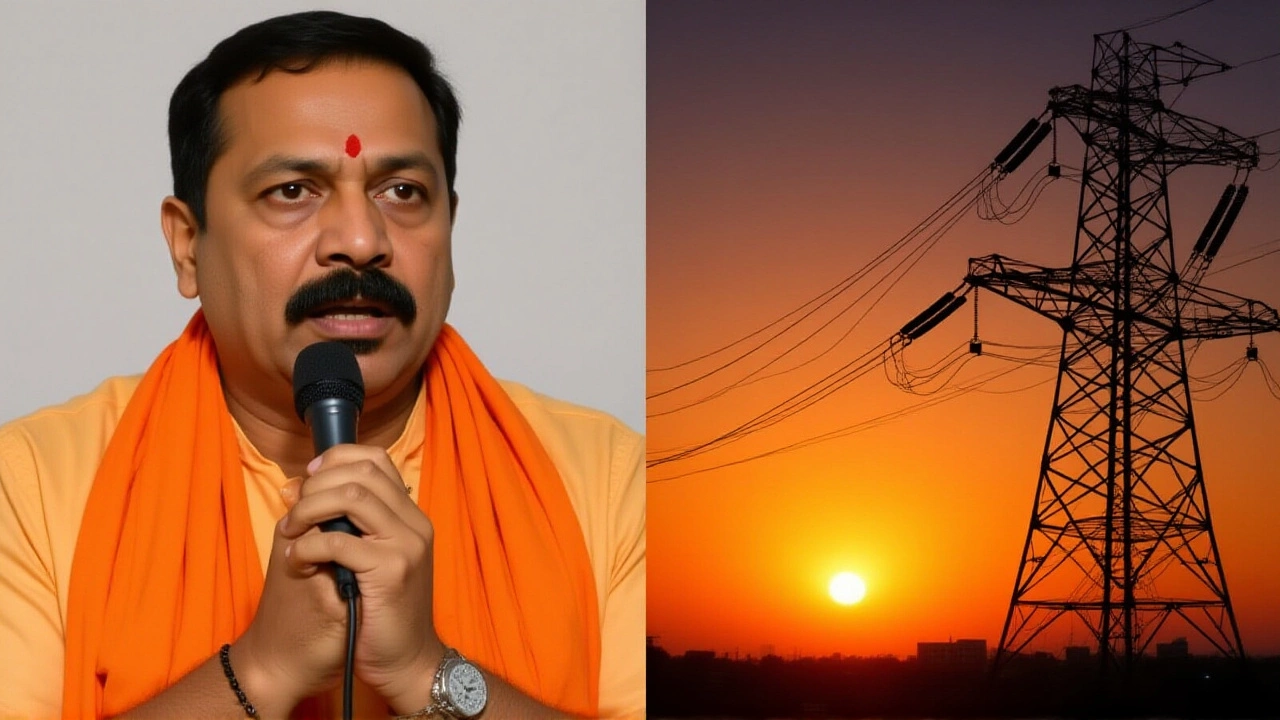
When Yogi Adityanath, Chief Minister of Uttar Pradesh, ordered a complete ban on electricity cuts during the state's severe heatwave, it wasn't just another administrative directive. It was a direct response to a crisis that has pushed temperatures to dangerous levels across northern India. As of May 24, 2026, the state is under an "Orange Alert," signaling high-risk conditions for public health and infrastructure.
The situation in Lucknow and surrounding districts has become critical. Temperatures have soared well above seasonal averages, creating a perfect storm of dehydration risks, increased fire hazards, and soaring energy demand. The Chief Minister’s strict instructions to all district administrations mark a shift from reactive measures to proactive survival strategies.
A Zero-Tolerance Policy on Power Outages
Here’s the thing: in rural India, a power cut isn’t just an inconvenience—it’s a potential death sentence during a heatwave. Fans stop. Refrigerators warm up. Air conditioning units fail. Recognizing this, Yogi Adityanath directed officials to ensure uninterrupted power supply to both urban and rural areas. This is a significant departure from past practices where load-shedding was common during peak summer months.
During a review meeting held on May 24, senior officials were told to monitor sudden spikes in electricity load closely. The goal? To prevent grid failures before they happen. Complaints from citizens must now be resolved immediately, with no room for bureaucratic delays. Senior officers are tasked with continuous monitoring to ensure that the promise of "no power cuts" holds true even as demand peaks.
But wait—why is this so urgent? Because the correlation between heat stress and mortality is stark. Without cooling mechanisms, vulnerable populations suffer disproportionately. The government’s stance is clear: electricity is a lifeline right now, not a commodity.
Healthcare Systems on High Alert
The twist is that the pressure isn’t just on the power grid; it’s on the healthcare system too. Hospitals across the state have been instructed to stockpile essential medicines, IV fluids, and beds specifically for heatstroke patients. Doctors are being deployed to high-risk zones, and emergency services are on standby.
Yogi Adityanath emphasized that protecting children and the elderly is paramount. These groups are physiologically less able to regulate body temperature, making them prime targets for heat-related illnesses. Parents have been advised to keep children indoors during peak afternoon hours (12 PM to 4 PM) and ensure they stay hydrated. For the elderly, regular health checks and avoidance of direct sunlight are mandatory recommendations.
Interestingly, the advice extends beyond medical facilities. The CM urged citizens to wear loose, light-colored cotton clothing, which helps reflect heat and allows sweat to evaporate efficiently. Drinking plenty of water, oral rehydration solutions (ORS), and lemon water is also strongly encouraged. Simple steps, but potentially life-saving ones.
Fire Risks and Worker Safety
Turns out, extreme heat doesn’t just affect people—it affects infrastructure. The risk of fires has skyrocketed. Dry vegetation, overloaded electrical lines, and careless handling of flammable materials create a volatile mix. In response, the Fire Department has been put on high alert. Markets, warehouses, and residential areas are under special scrutiny to prevent any negligence that could spark a blaze.
Construction workers and laborers working outdoors face another layer of danger. Dehydration and heat exhaustion are real threats. Officials have been ordered to provide drinking water, shaded rest areas, and first-aid kits at all work sites. Continuous work during peak heat hours is discouraged, with mandatory breaks enforced to protect worker health.
This focus on labor safety reflects a broader understanding of economic vulnerability. Many workers cannot afford to stop working, even when their bodies are failing. By mandating breaks and resources, the state is attempting to balance productivity with human dignity.
Public Awareness and Coordination
The details of the government’s strategy go beyond infrastructure. There’s a heavy emphasis on public awareness. Local representatives and officials are being sent into communities to educate residents about heat prevention. Messages are simple but vital: stay cool, stay hydrated, and know the signs of heatstroke.
Coordination between departments—health, electricity, disaster management, and police—is key. Siloed efforts don’t work in crises. The directive is for all agencies to operate in sync, sharing data and resources in real-time. If one department sees a problem, others must respond instantly.
Why does this matter? Because fragmented responses lead to gaps. A hospital might have staff but no power. A power station might have fuel but no way to distribute it if roads are blocked by emergencies. Integrated planning reduces these blind spots.
What’s Next?
Looking ahead, the next few weeks will be critical. Meteorologists predict continued high temperatures, possibly extending into June. The success of these measures will depend on execution. Will the power grid hold? Will hospitals remain stocked? Will workers get the breaks they need?
Experts suggest that long-term solutions are needed. Urban planning must account for heat islands. Green spaces reduce ambient temperatures. Better housing insulation can lower indoor heat. But for now, the immediate priority is survival. The state’s commitment to keeping lights on and hospitals running is a test of its administrative resilience.
Frequently Asked Questions
What is an 'Orange Alert' in the context of weather?
An Orange Alert is issued by meteorological departments when weather conditions are expected to be hazardous. In this case, it signifies severe heatwaves with temperatures likely to cause widespread health issues. It triggers pre-emptive actions like securing water supplies, checking power grids, and preparing medical teams for surge capacity.
Who is most vulnerable during a heatwave?
Children, the elderly, and outdoor laborers are the most vulnerable. Children’s bodies regulate temperature less efficiently. The elderly often have underlying health conditions that worsen with heat. Outdoor workers lack access to cooling environments, increasing their risk of heatstroke and dehydration significantly.
Why is uninterrupted power supply critical during a heatwave?
Power is essential for cooling systems like fans and air conditioners. Without them, indoor temperatures can rise to lethal levels, especially in poorly ventilated homes. Hospitals also rely on electricity for life-support equipment and refrigeration of vaccines and medicines. Any outage jeopardizes public health directly.
What should I do if I suspect someone has heatstroke?
Move the person to a cooler place immediately. Remove excess clothing and apply cool, wet cloths to their skin. Fan them gently to promote evaporation. Do not give fluids if they are unconscious. Seek emergency medical help immediately, as heatstroke is a life-threatening condition requiring professional treatment.
How is the government ensuring compliance with these directives?
Senior officials are conducting continuous monitoring and review meetings. District magistrates are held accountable for local implementation. Complaints regarding power cuts or lack of resources are tracked and resolved rapidly. Non-compliance can lead to disciplinary action against responsible officers, ensuring strict adherence to the CM’s orders.